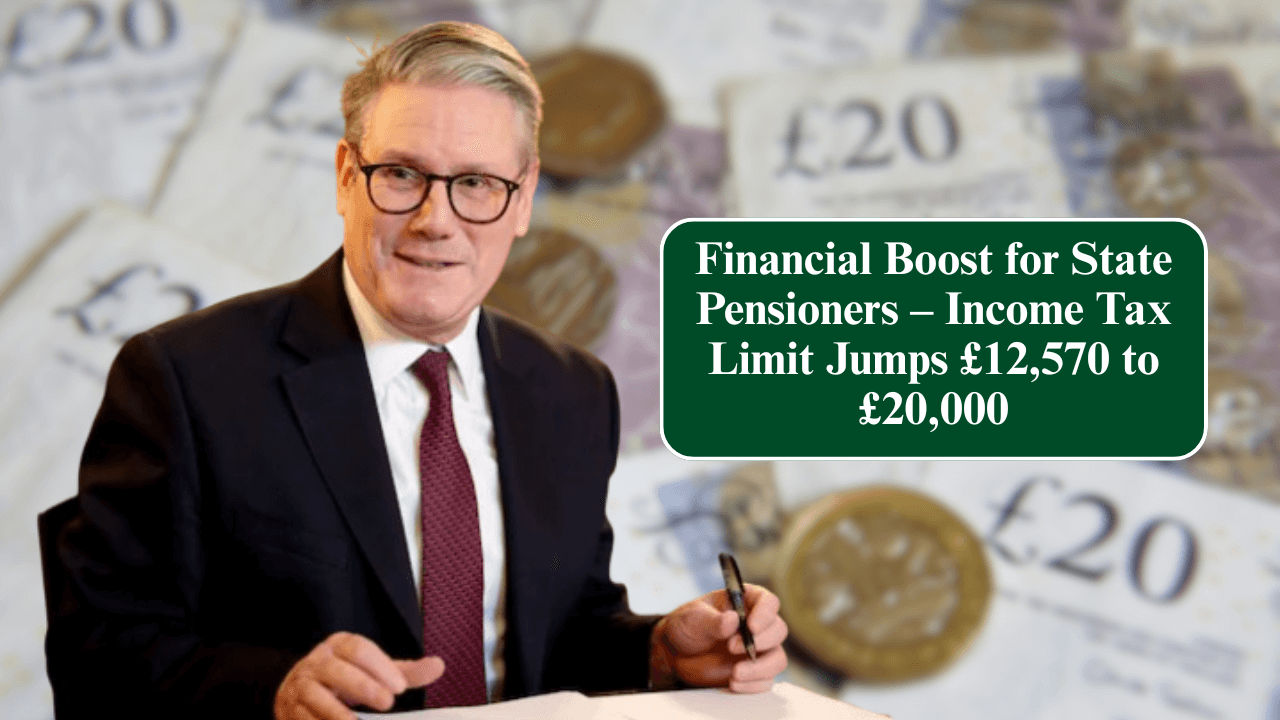
UK pensioners are set to benefit from a significant increase in the income tax threshold, with the personal allowance rising from £12,570 to £20,000 in 2025. This change represents one of the largest adjustments in recent years and is expected to provide a welcome financial boost for older residents who rely on the State Pension or other fixed incomes. Understanding how this impacts pensioners’ finances is crucial to ensure they can make the most of this update.
What is the Income Tax Threshold?
The income tax threshold, also known as the personal allowance, is the amount of income a person can earn each year without paying income tax. For pensioners, this allowance covers the State Pension, private pensions, savings interest, and other income streams. Any income above this threshold is subject to tax, with rates depending on the level of earnings.
The jump from £12,570 to £20,000 means that many pensioners who previously paid tax on a portion of their income will now keep more of their earnings.
Why the Increase Matters
For older residents living on fixed incomes, even a small increase in disposable income can have a significant impact. The rise in the personal allowance:
- Reduces the amount of income subject to tax
- Increases monthly take-home pay for pensioners with additional income
- Helps offset rising living costs, such as energy bills and groceries
- Provides extra financial security for those on low to moderate incomes
This adjustment is particularly valuable as inflation and household costs continue to affect pensioners’ budgets.
Who Benefits the Most?
The primary beneficiaries of this change are:
- State Pension recipients with additional private pensions
- Pensioners receiving income from savings, investments, or rental properties
- Couples where both partners are pensioners and have taxable income
Those with income just above the previous threshold will see the largest boost. Individuals who previously paid tax on small amounts of their pension or savings income may now be exempt, allowing them to retain more of their earnings.
Impact on Tax Payments
For pensioners, the tax threshold increase can mean:
- Paying less income tax each year
- Potentially moving from the basic tax band to no tax at all for some income levels
- Receiving extra monthly cash flow, improving the ability to cover bills or save for emergencies
For example, a pensioner earning £15,000 annually would previously have paid tax on £2,430. With the new threshold of £20,000, this income is fully covered by the personal allowance, meaning no income tax is due.
How the Change Affects Couples
For pensioner couples, both individuals may be eligible for the full personal allowance if they have separate income streams. This means:
- Couples with combined taxable income could see significant reductions in overall tax liability
- Those with shared investments or private pensions may retain more of their money
- Financial planning becomes easier, with more disposable income for household expenses
State Pension and Other Benefits
It is important to note that the State Pension itself is tax-free up to the personal allowance, meaning this increase will not reduce pension payments but will affect additional income streams. Pensioners who receive other taxable benefits, rental income, or private pensions will directly benefit from the higher threshold.
How to Make the Most of the Increase
Pensioners can take steps to ensure they benefit fully from the increased tax allowance:
- Review all income streams, including private pensions, savings, and investments
- Check with HMRC to ensure tax codes are up to date
- Consider consulting a financial advisor to explore ways to maximize tax-free income
- Adjust budgeting and spending plans to take advantage of extra disposable income
Planning for Energy and Living Costs
With rising energy bills and the cost of living still a concern for many pensioners, the extra income from the tax threshold increase can be used strategically:
- Cover utility bills, especially during winter months
- Reduce debt or mortgage repayments
- Invest in home energy efficiency improvements to lower future bills
- Set aside funds for emergencies or medical costs
Using the extra funds wisely can improve financial stability and quality of life.
Comparing Past Increases
Historically, increases in the personal allowance have been smaller and gradual. The jump from £12,570 to £20,000 represents a substantial leap, effectively removing a portion of pensioners from paying income tax altogether. This is one of the most generous adjustments in recent history and reflects the government’s aim to support older residents financially.
Impact on Financial Planning
The tax threshold increase affects long-term financial planning for pensioners:
- Those planning retirement withdrawals or investment income can now plan around a higher tax-free limit
- Couples can coordinate tax-free income strategies to optimize household finances
- Pensioners may revisit savings and investment allocations to take advantage of tax-free income
By incorporating the higher threshold into planning, older residents can maximize financial efficiency and security.
Interaction with Other Benefits
It’s also important to understand how this change interacts with other government benefits:
- Pension Credit and other means-tested benefits are not affected by the increase
- Winter Fuel Payments, Cold Weather Payments, and other targeted support remain in place
- Extra tax-free income may reduce the need for additional support, improving overall household finances
Pensioners should check with HMRC or local support services to ensure they are receiving all entitled benefits alongside the increased tax allowance.
Financial Advice for Pensioners
Given the magnitude of this change, seeking advice can help pensioners make the most of the opportunity:
- Professional financial advisors can offer guidance on tax-efficient income strategies
- Reviewing investments and private pensions in light of the higher allowance can reduce unnecessary taxation
- Simple steps like updating tax codes with HMRC can ensure the pensioner receives the full benefit immediately
Budgeting with Extra Income
The tax threshold increase effectively boosts monthly income, even without raising the State Pension itself. Pensioners can use this to:
- Increase monthly spending on essentials
- Save for unexpected costs or emergencies
- Contribute to community or family support
- Enhance lifestyle through travel, hobbies, or social activities
Proper budgeting ensures the financial boost translates into real-life benefits.
Potential Pitfalls
While the tax allowance increase is beneficial, pensioners should be aware of potential pitfalls:
- Forgetting to update HMRC about new income sources can lead to overpayment or underpayment of tax
- Miscalculating income may result in unexpected bills or penalties
- Not considering the effect on other benefits can reduce overall efficiency of financial planning
By staying informed and proactive, pensioners can avoid these issues.
Frequently Asked Questions
When does the new tax threshold take effect?
The personal allowance increase to £20,000 applies from the 2025/2026 tax year.
Does this affect the State Pension?
The State Pension remains tax-free up to the personal allowance. This change primarily affects additional income like private pensions, savings interest, and rental income.
Will I automatically benefit?
HMRC will adjust tax codes for most taxpayers. Pensioners should check notices from HMRC to ensure correct application of the new threshold.
How does this affect couples?
Both individuals in a pensioner couple may receive the full allowance if they have separate income streams, increasing household tax-free income.
Final Thoughts
The increase of the income tax threshold from £12,570 to £20,000 in 2025 represents a substantial financial boost for UK pensioners. By reducing taxable income and increasing disposable funds, this change provides much-needed support for older residents facing rising living costs.
Pensioners should review their finances, ensure HMRC has the correct information, and consider professional advice to make the most of this opportunity. With careful planning, the increase in the personal allowance can improve household finances, reduce stress, and enhance quality of life for State Pensioners across the UK.