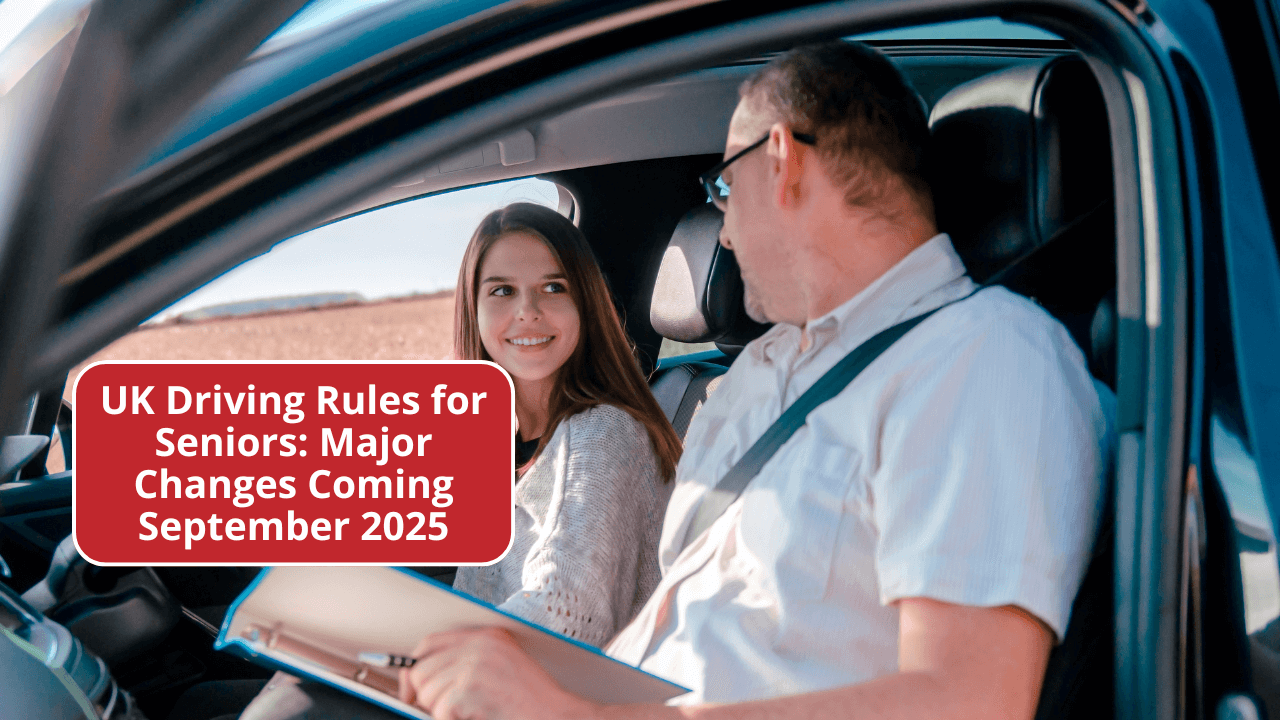
UK Government is set to introduce important changes to driving regulations affecting senior drivers from September 2025. These updates aim to improve road safety while supporting older drivers in maintaining their independence. Understanding the new rules is essential for anyone over 60 who holds a UK driving licence.
Why the Change Is Happening
The decision to update driving regulations for older adults comes after years of research on road safety and age-related changes in driving ability. While many seniors remain safe drivers, studies show that reaction times, vision, and cognitive function can gradually decline with age. These new rules are designed to help prevent accidents and ensure that all drivers on UK roads remain capable and safe.
Who Is Affected
The primary group affected by the September 2025 changes are drivers aged 60 and above. This includes both those with full UK driving licences and those who drive for professional purposes. Families of senior drivers should also be aware of these updates, as they may involve new requirements for medical checks and licence renewals.
Medical Checks Before Licence Renewal
One of the biggest changes involves medical assessments. From September 2025, drivers over 65 will be required to submit a detailed medical report when renewing their licence. The report will cover vision, mobility, and any conditions that may affect driving ability, such as heart problems, diabetes, or neurological conditions.
Doctors are encouraged to provide clear guidance on whether a patient can continue driving safely or if restrictions should be applied. Failure to provide the medical report may result in licence suspension until the assessment is completed.
Licence Renewal Frequency
Another key change is the renewal period for senior drivers. Previously, licences for drivers over 70 had to be renewed every three years. From September 2025, all drivers aged 65 and above will need to renew their licences every two years. This ensures that any age-related changes affecting driving skills are identified promptly.
New Vision Standards
Vision checks are becoming stricter. Drivers must meet updated visual acuity standards to hold a licence. This includes the ability to read a standard vehicle number plate from 20 metres and the requirement to have adequate peripheral vision. Eye conditions such as glaucoma or cataracts must be reported to the DVLA, and treatment must be up to date to continue driving legally.
Mandatory Awareness Courses
The Government will also introduce voluntary but strongly recommended driving awareness courses for seniors. These courses are designed to refresh driving skills, update drivers on road rule changes, and provide tips on staying safe on the road. While not initially mandatory, drivers may be encouraged to attend to avoid insurance premium increases.
Technology Checks
Modern vehicles come with a variety of safety features, such as automatic emergency braking, lane assist, and adaptive cruise control. Seniors are encouraged to familiarise themselves with these technologies, as the DVLA may offer guidance on how to use them effectively. Understanding these systems can help compensate for slower reaction times and enhance overall road safety.
Insurance Implications
Insurance providers are likely to consider these new regulations when calculating premiums. Drivers who comply with medical checks, attend awareness courses, and maintain updated vision and health reports may benefit from lower premiums. Conversely, failure to meet the new requirements could lead to higher costs or difficulties in obtaining insurance coverage.
Penalties for Non-Compliance
Non-compliance with the September 2025 rules can carry significant consequences. Failure to renew a licence on time, submit medical reports, or report relevant health conditions could result in fines, licence suspension, or even prosecution in the case of serious accidents. It is crucial that senior drivers understand their responsibilities under the new laws.
Support for Older Drivers
Recognising that many seniors rely on driving for independence, the Government is also offering support measures. These include guidance for choosing safer vehicles, discounts on mobility-friendly car modifications, and access to local driving centres for practical assessments. Community support groups are also being encouraged to provide advice and assistance for those adjusting to the new rules.
Preparing for the Changes
Seniors are advised to take proactive steps before the regulations come into effect:
- Schedule a Medical Check: Contact your GP to complete a thorough health assessment.
- Update Vision Care: Ensure regular eye tests and treatment for any eye conditions.
- Review Driving Skills: Consider attending a senior driving awareness course.
- Vehicle Safety Check: Make sure your car’s safety features are functional and up to date.
- Understand the Rules: Familiarise yourself with the DVLA’s new requirements to avoid penalties.
Benefits of the New Rules
While some may view these changes as restrictive, they have clear benefits. Road safety is improved, preventing accidents and injuries. Older drivers who stay compliant can continue driving confidently, knowing their health and abilities are being monitored. Families can also have peace of mind, knowing that their loved ones are driving safely.
Common Questions
Do these rules apply to all seniors?
Yes, anyone aged 65 and above holding a UK driving licence will need to comply with the new requirements.
Will attending the awareness course be mandatory?
Initially, it is voluntary but strongly recommended. Participation may influence insurance premiums and could become mandatory in the future.
What happens if a medical condition worsens?
Drivers must report any changes that affect driving ability. The DVLA may impose restrictions or temporarily suspend the licence until the condition is managed.
How often will licences need renewal?
Every two years for drivers aged 65 and above.
Final Thoughts
The September 2025 changes to UK driving rules for seniors reflect a balanced approach: protecting road safety while enabling older adults to maintain independence. By understanding these rules and taking proactive steps, senior drivers can continue enjoying the freedom of the road safely and responsibly.
Staying informed and prepared is the key. With proper planning, medical checks, and awareness of vehicle technology, senior drivers can navigate these new regulations confidently, ensuring their safety and that of everyone else on UK roads.